










The Italian city of Bologna stands as Italy’s most genuine place that people tend to overlook when they choose Venice or Florence. Bologna emerges as a discovery when one encounters its red-brick structures together with heartwarming culinary delights as well as hidden historical gems located under lengthy porticoed walkways.
Whether you’re wandering beneath its iconic porticoes, climbing medieval towers, or tasting world-famous dishes like tagliatelle al ragù, guided tours offer insider access to the heart of this vibrant city. From walking tours of the historic center to food-focused adventures in local markets, Bologna Italy tours promise a deeper connection to one of Italy’s most authentic destinations.
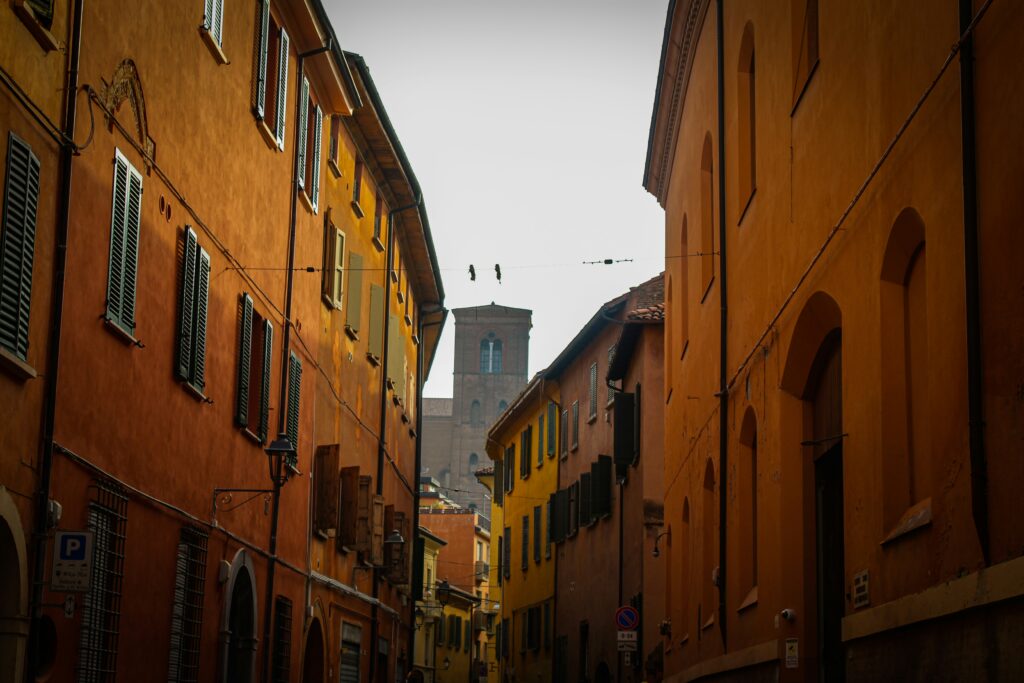
Where History Sleeps in Brick and Marble
The city breathes antiquity. The city’s heart beats strongly in Piazza Maggiore where the population mix of local students and tourists come together under the protection of imposing municipal structures. One side belongs to the Basilica di San Petronio which stands as an unfinished gothic masterpiece hinting at its former ambition to match the St. Peter’s Basilica in Rome. Entering the structure reveals the scientific marvels that include a meridian line built in the 17th century to assist astronomers in their celestial research.
Neptune presents his trident while dominating an extravagant baroque fountain without hesitation. The bronze statue created by Giambologna serves as a popular landmark yet remains a fundamental symbol of the Bolognese cultural stance. Each religious structure expresses its secrets as active streets expand in all directions from the heart of medieval Bologna.
Climbing Toward the Clouds and Deeper into Time
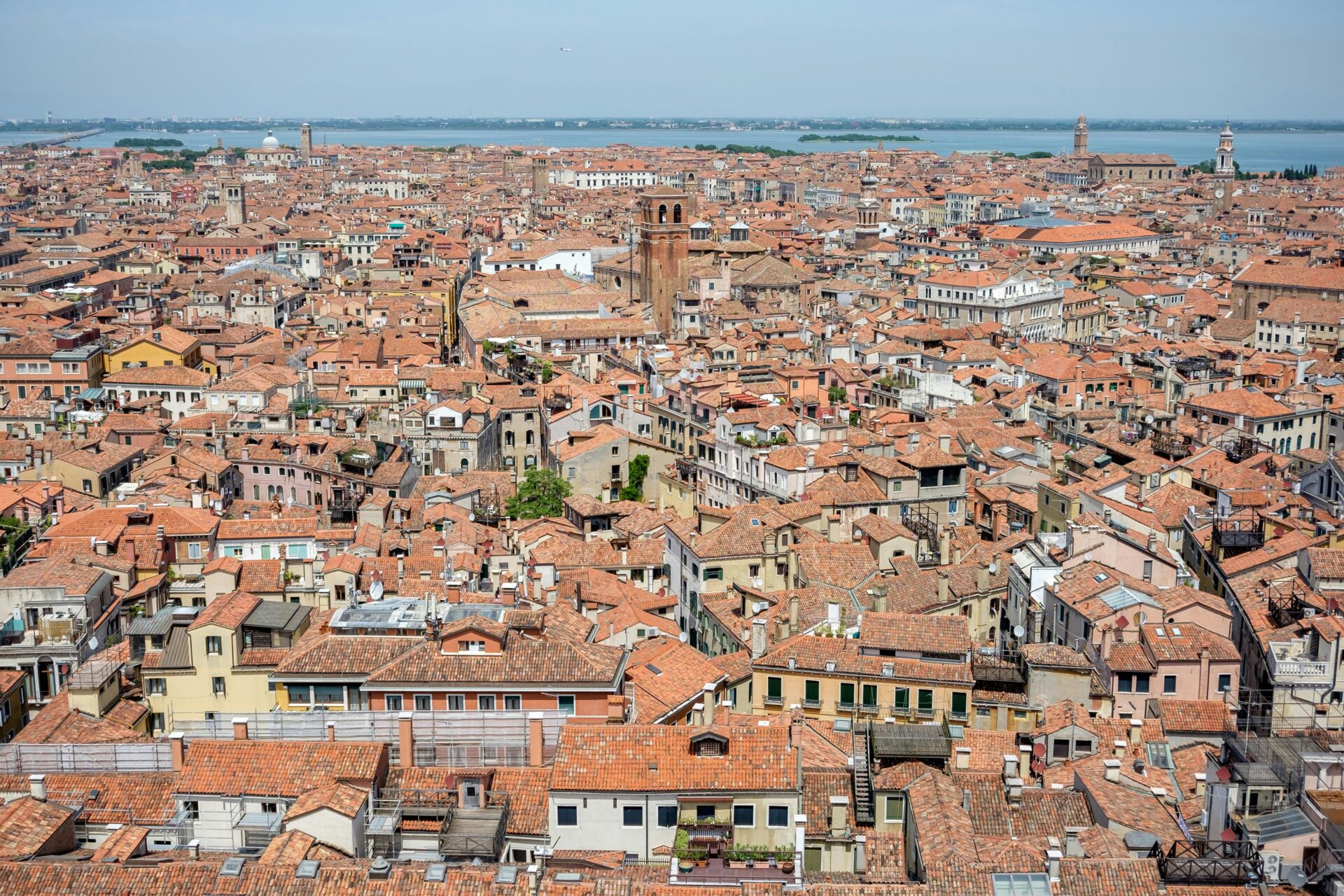
Noble families constructed over 100 towers across Bologna, whose dual purposes were to monitor and safeguard the city. Today, Asinelli and Garisenda continue to observe Bologna’s followers. Hazards await those who ascend the 500 steps up Asinelli, which provides an unparalleled panorama stretching from the red-tiled roofs to the distant Apennines peaks.
And beneath these roofs? A city of secrets. Beneath Bologna’s pavement exists the Canale delle Moline which was one element of a vast network of underground waterways that used to drive the industries across the city. From a window on Via Piella, you can discover the hidden “Little Venice” of Bologna. This secluded canal area hides within pastel-washed walls decorated by vibrant flower boxes. Someone who knows the specific viewing spot can share this astonishing perspective in a vision that resembles a dream.
A Table at the Heart of Bologna
The cuisine of Bologna represents the personal handwritten letter that makes a storybook distinctively unforgettable through its richness. The origin of ragù alla Bolognese began at these locations although it should never be paired with spaghetti. The chef prepares this dish by methodically cooking it until perfection before giving it to savory tagliatelle with fresh eggs.
The essence of Bologna reveals itself through the foods within its culture. The following guide explains where you should eat and what foods to savor in Bologna:
| Dish | Description | Best Place to Try |
| Tagliatelle al Ragù | Flat egg pasta with traditional meat sauce | Trattoria Anna Maria or Osteria dell’Orsa |
| Tortellini in Brodo | Meat-filled pasta in capon broth | Ristorante Da Cesari |
| Mortadella | Local cold cut, sliced paper-thin | Simoni Gastronomia |
| Crescentine with Salumi | Fried bread with cured meats and cheeses | Mercato di Mezzo or Osteria Broccaindosso |
| Gelato | Made with obsessive precision | Cremeria Funivia or La Sorbetteria Castiglione |
Sampling Bologna’s cuisine is a lesson in careful observation. Just as a creative team such as Redhead Digital Agency appreciates the small touches that make a story memorable, so too does a visitor notice the layers of flavor in a classic ragù or the craftsmanship behind a scoop of gelato.
Academia and Arcades: Living Through the Centuries
Bologna holds the distinction of operating the oldest university in the Western world because it opened its doors in 1088. All through the city one can feel the legacy of academia which stems from its foundation in 1088 between the contemplative majesty of the Archiginnasio as well as the active demeanor of the student-packed universities. Street art combines with historic Latin engravings to produce an active arrangement of educational and resistant elements.
The celebrated porticos reaching over 60 kilometers in length function as links that bond every place in Bologna. The porticoes serve their initial function of offering floor extension while protecting streets from enclosure and they now achieve status as UNESCO World Heritage Sites. These architectural structures function as both sunlight and precipitation protection elements that enhance any walk into an opportunity to admire beautiful architecture.
The Soul of Bologna
Bologna is not flashy. The city stands apart from Rome and Milan because it deliberately seeks to remain unnoticed. The city draws its visitors in gradually because it adopts the storytelling style of a novel which continually uncovers fresh insights with each passing block. In Bologna, you’ll find more than simply enough reasons to stop by because the city stretches its invitation to experience each moment giving both depth and flavor so you must remain to enjoy its treasures and seek repeated visits.




This site is protected by reCAPTCHA and the Google Privacy Policy and Terms of Service apply.