










Cruising works in almost any climate if you pick the right route. Some itineraries are built around heat and coral reefs, others around ice fields and fishing towns where the weather changes by the hour. The trick is matching the destination to the kind of landscape you want to move through. From equatorial islands in the Indian Ocean to polar waters at the edge of Antarctica, cruise routes open places that are hard to stitch together independently.
These five destinations cover tropical, temperate, and polar extremes, with practical notes on what travelers actually encounter once they step ashore.
Island Hopping Through the Tropical Seychelles
The Seychelles feel scattered in the best way. Arriving by ship into Port Victoria on Mahé, most travelers step straight into the compact capital. Sir Selwyn Selwyn-Clarke Market sits a short walk from the cruise pier, and wandering through the spice and fish stalls gives a quick sense of daily life. Walking a few blocks uphill toward the residential streets often leads to smaller takeaway spots that locals use for lunch.
Sunny Seychelles cruises often stop at Praslin and La Digue, two islands best explored at a gentle pace. On Praslin, Vallée de Mai is the main inland attraction. Taxis wait near Baie Sainte Anne jetty, and the drive into the reserve takes around fifteen minutes, climbing gradually into dense palm forest where the coco de mer grows wild.
Cycling makes more sense than hiring a car here. The beaches are the draw, but traveling between islands by ship keeps distances manageable and removes the need for repeated transfers. Ferries between islands can be rough in certain seasons, and a cruise removes that variable while still allowing for full days ashore.
Sailing the Dramatic Fjords of Coastal Norway
Coastal Norway doesn’t hide its geography. Ships glide straight into narrow fjords with farms clinging to steep slopes. In Bergen, most itineraries dock within walking distance of Bryggen. The old wooden warehouses line the harbor, and from there, it’s an easy walk to the Fløibanen funicular. Heading up Mount Fløyen early in the day gives a clear view over the harbor before clouds roll in.
Further north, Geiranger and Flåm are common stops. In Geiranger, the road to the Norwegian Fjord Centre starts right near the dock and climbs gently. Those wanting to stretch their legs can follow the Storseterfossen trail, which passes behind a waterfall without requiring technical hiking.
In Flåm, the railway draws crowds, but wandering along the river path toward the old church gives a quieter look at village life. Sailing through the fjords themselves is half the experience. Waterfalls spill down cliff faces, and small settlements appear where land flattens just enough for a dock. Weather shifts quickly here, so layering is essential.
Expeditions to the Frozen Wilderness of Antarctica
Antarctica changes expectations about cruising. Ships departing from Ushuaia cross the Drake Passage before reaching the Antarctic Peninsula. Once there, itineraries revolve around weather windows and ice conditions rather than fixed port schedules. When you embark on an Antarctica cruise, it’s important to understand that landings are dictated by wind and sea conditions. Zodiac boats ferry passengers ashore, often onto pebble beaches edged with penguin colonies.
Common landing sites include Neko Harbor and Cuverville Island. At Neko Harbor, the short climb up a snow slope gives a wide view over Andvord Bay. Guides mark walking paths with flags to protect wildlife. On Cuverville Island, gentoo penguins nest on rocky ground, and visitors move slowly to avoid blocking their routes to the water.
There are no towns to wander or markets to browse. Instead, the focus is on glaciers calving into the sea and the quiet that settles once engines cut. Back on board, expedition teams give briefings in the lounge, pointing out research stations on the horizon.
Exploring Historic Gems Across the Mediterranean
The Mediterranean works well for travelers who want variety without extreme weather. In Barcelona, ships dock near the end of La Rambla. Walking up through El Raval in the morning avoids the thicker crowds that gather by midday. La Boqueria sits just off La Rambla, but venturing deeper into the neighborhood toward Carrer de Joaquín Costa often leads to better-value meals and a more local atmosphere. From there, it’s manageable to continue on foot toward the Gothic Quarter and the cathedral before circling back toward the waterfront.
In Italy, ports such as Civitavecchia serve as gateways to Rome. Trains from the port connect to Roma Termini in about an hour. Once in the city, grouping neighborhoods logically makes the day smoother. Starting near the Colosseum and walking toward the Roman Forum, then across to Campo de’ Fiori and onward to the Pantheon, keeps the route compact. In Greece, Piraeus provides access to Athens. The metro from the port leads directly to Monastiraki Square, where side streets off Ermou often have more local feel than the main shopping strip.
Witnessing Glaciers and Wildlife in the Alaskan Wilds
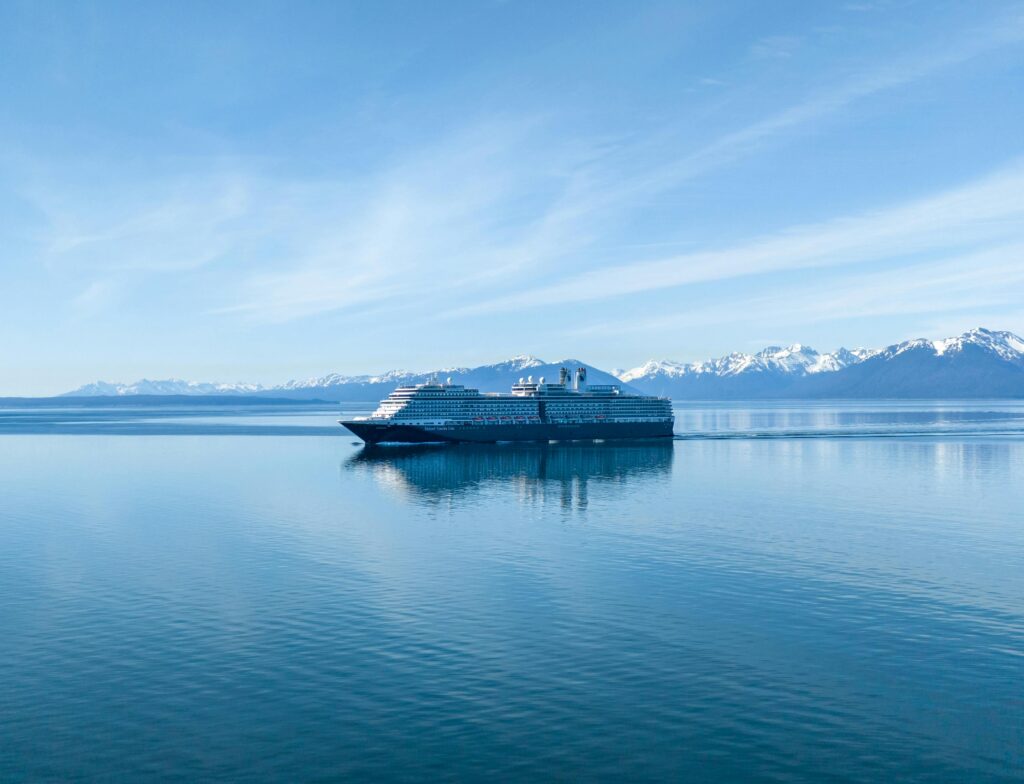
Alaska’s Inside Passage feels expansive but organized around a handful of small towns. In Juneau, ships dock close to South Franklin Street. Walking a few blocks away from the souvenir shops reveals residential streets and small grocery stores where locals shop. The Mount Roberts Tramway rises directly from the waterfront, though many choose to visit Mendenhall Glacier instead. Shuttle buses run from near the dock to the visitor center, where trails lead to Nugget Falls.
Skagway keeps its Gold Rush-era buildings along Broadway Street. The White Pass & Yukon Route railway departs close to the harbor, climbing into the mountains with wide views back toward town. Ketchikan, further south, lines up along Creek Street. The wooden boardwalk sits just uphill from the cruise pier, and Totem Bight State Historical Park lies a short drive away. Wildlife sightings often occur while sailing rather than on land. Humpback whales surface in the channels, and bald eagles perch on spruce trees along the shoreline. Even in summer, temperatures remain cool, and rain is common, making waterproof gear more important than you might expect.
Where will you set sail?
Choosing a cruise isn’t only about the ship. Climate shapes the entire experience. Tropical routes in the Seychelles revolve around beaches and short bike rides between coves. Norway’s fjords demand sturdy shoes and attention to weather. Antarctica asks for patience and flexibility in exchange for rare wildlife encounters. The Mediterranean mixes city walking with regional trains, while Alaska blends small-town docks with glacier viewpoints. Each destination requires slightly different expectations once ashore. The better question is not which ship to board, but which landscape feels right at this moment.




This site is protected by reCAPTCHA and the Google Privacy Policy and Terms of Service apply.